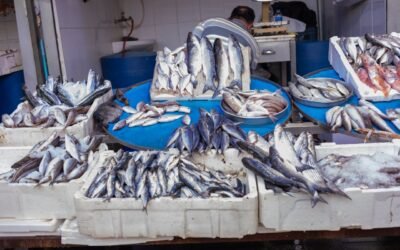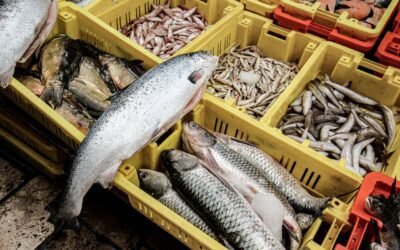
Freshness is one of those words that sounds simple until you try to define it. Everyone claims it. Every label promises it. Yet very few people can explain what fresh truly means when it comes to seafood. Fresh is not just a date stamp or a cold temperature. It is not speed alone, and it is certainly not marketing. Freshness is a chain of decisions, and every link in that chain either protects it or quietly destroys it.
The journey of freshness begins before a net ever touches water. It starts with timing and restraint. Fishing at the wrong moment, in the wrong conditions, or for too long already compromises quality before the catch is even seen. Along the coast near Kismayo, fishermen have learned that patience preserves more than force ever could. They know when the sea offers and when it should be left alone. That knowledge is not written down. It is learned slowly, through loss, success, and repetition.
Once a fish is brought aboard, freshness becomes fragile. The way it is lifted, the way it is placed, the way it is sorted all matter more than most people realize. Rough handling stresses the flesh. Delays dull flavor. Exposure invites damage that no amount of ice can reverse. Freshness lives in these early moments, often invisible to anyone who only sees the final product.
Many assume cold equals fresh, but cold can harm as easily as it can help. Improper chilling stiffens flesh, fractures texture, and dulls natural taste. True freshness balances cooling with care. It slows time without shocking the product. That balance requires discipline and understanding, not just equipment. Machines do not guarantee freshness. People do.
Freshness also depends on knowing when to stop. Overfishing and overloading are enemies of quality. When volume becomes the goal, attention disappears. Fish stack on fish. Time stretches. Small compromises multiply. What reaches the market may still look acceptable, but something essential has already been lost. Sustainable practices are not just ethical choices. They are quality strategies.
From the shore onward, freshness becomes a race against quiet decay. Sorting must be swift but gentle. Storage must be controlled but breathable. Transport must be uninterrupted. Breaks in the cold chain are not dramatic. They do not announce themselves. They simply reduce confidence, one degree and one minute at a time. Preventing them requires systems that assume mistakes are possible and build safeguards anyway.
For buyers and cooks, freshness is judged instantly. A glance at the eyes. A press of the flesh. A scent. A first bite. These moments feel instinctive, but they are backed by hours of unseen work. When seafood tastes clean and alive, it is because dozens of small decisions aligned correctly. When it does not, the failure rarely has a single cause.
Fresh food does not shout. It reassures. It carries a quiet clarity that does not need explanation. It cooks evenly. It absorbs flavor without losing its own. It reminds people why seafood has always been treasured rather than merely consumed.
True freshness creates trust. Not just in a product, but in the people behind it. When buyers return not because they were impressed once, but because they are confident every time, freshness has become something deeper. It has become a relationship.
Freshness, in the end, is respect made visible. Respect for the sea, for the catch, for the hands that handle it, and for the person who will eat it. When that respect holds from sea to table, freshness stops being a claim and becomes a fact.